
Probiotics vs Prebiotics: Which Supplement is Right for Your Digestive Health?

If you've ever felt that uncomfortable bloat or struggled with digestive irregularities, you are not alone. Millions of people face digestive discomfort every day. That's because the health of your gut, often called your "second brain," is critical not only for digestion but also for your immune system and mood. As awareness of the microbiome grows, two terms have rocketed to popularity in the supplement world: Probiotics and Prebiotics. While the terms may sound as different as Ayesha and Aisha, they are both vital for a flourishing gut.
Now, which one of these is right for your digestive goals? Let's dive in and clarify the difference so you can make an informed choice for a healthier, happier gut.
Probiotoics
What Are They?
Probiotics are live microorganisms—beneficial bacteria and yeasts—that offer health benefits when consumed. Use the garden analogy: Probiotics are the "seeds" you plant to help replenish and diversify your gut's microbial community.
How Do They Work?
They work by colonizing the gut, helping to restore balance (especially after antibiotics). They crowd out harmful pathogens and produce beneficial substances, like Short-Chain Fatty Acids (SCFAs), which are crucial for immune function and gut lining health.
Best Sources
You can find probiotics in fermented foods (yogurt, kefir, sauerkraut) and in supplements (capsules or powders), which list their potency in CFUs (Colony-Forming Units).
Who Might Benefit Most?
Probiotics are especially useful for those taking antibiotics, people dealing with specific digestive issues (like IBS, with doctor consultation), or anyone looking to boost their immune response.
Probiotic Supplementation
THE GENETICS WELLNESS PROBIOTIC GUIDE
|
Product Name |
Format |
Indication / Primary Function |
Key Probiotic Strain |
|
Capsule |
Mood & Gut-Brain Axis Support. Often contains psychobiotic strains for stress management and digestive comfort. |
Lactobacillus helveticus and Bifidobacterium longum |
|
|
Sachet (Powder) |
Mood & Gut-Brain Axis Support. Same function as capsules, offered in a powder format for mixing. |
Lactobacillus helveticus and Bifidobacterium longum |
|
|
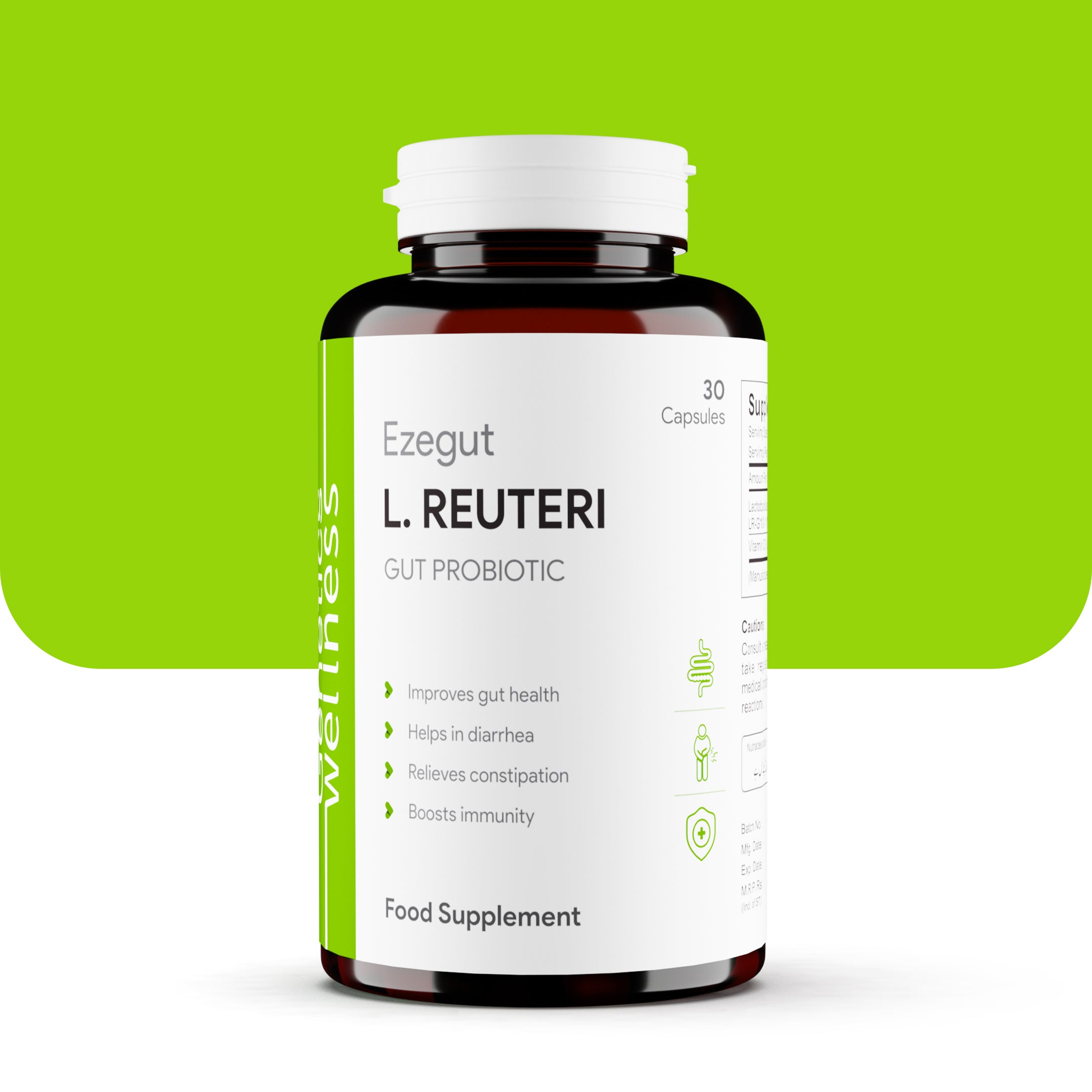
Capsule |
Targeted Digestive Health. Specifically for gut health, leveraging the well-researched Lactobacillus reuteri strain. |
Lactobacillus reuteri |
|
|
Drops (Liquid) |
Infant/Pediatric Gut Health. A liquid version of the Ezegut formula, often used for colic, reflux, or general infant gut support. |
Lactobacillus reuteri |
|
|
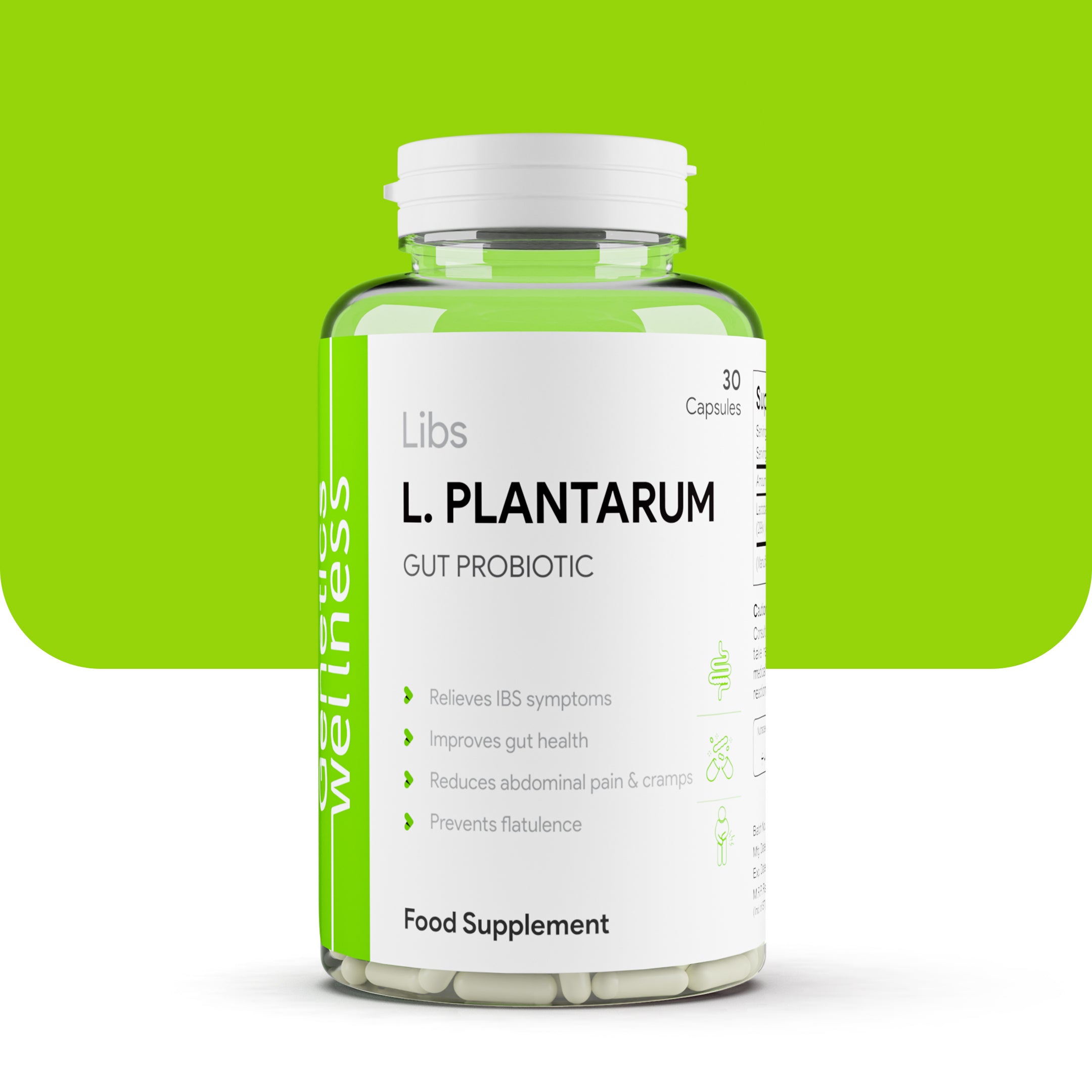
Capsule |
Advanced Gut Probiotic. Targeted support using Lactobacillus plantarum, known for gas/bloating reduction and IBS support. |
Lactobacillus plantarum |
|
|
Capsule |
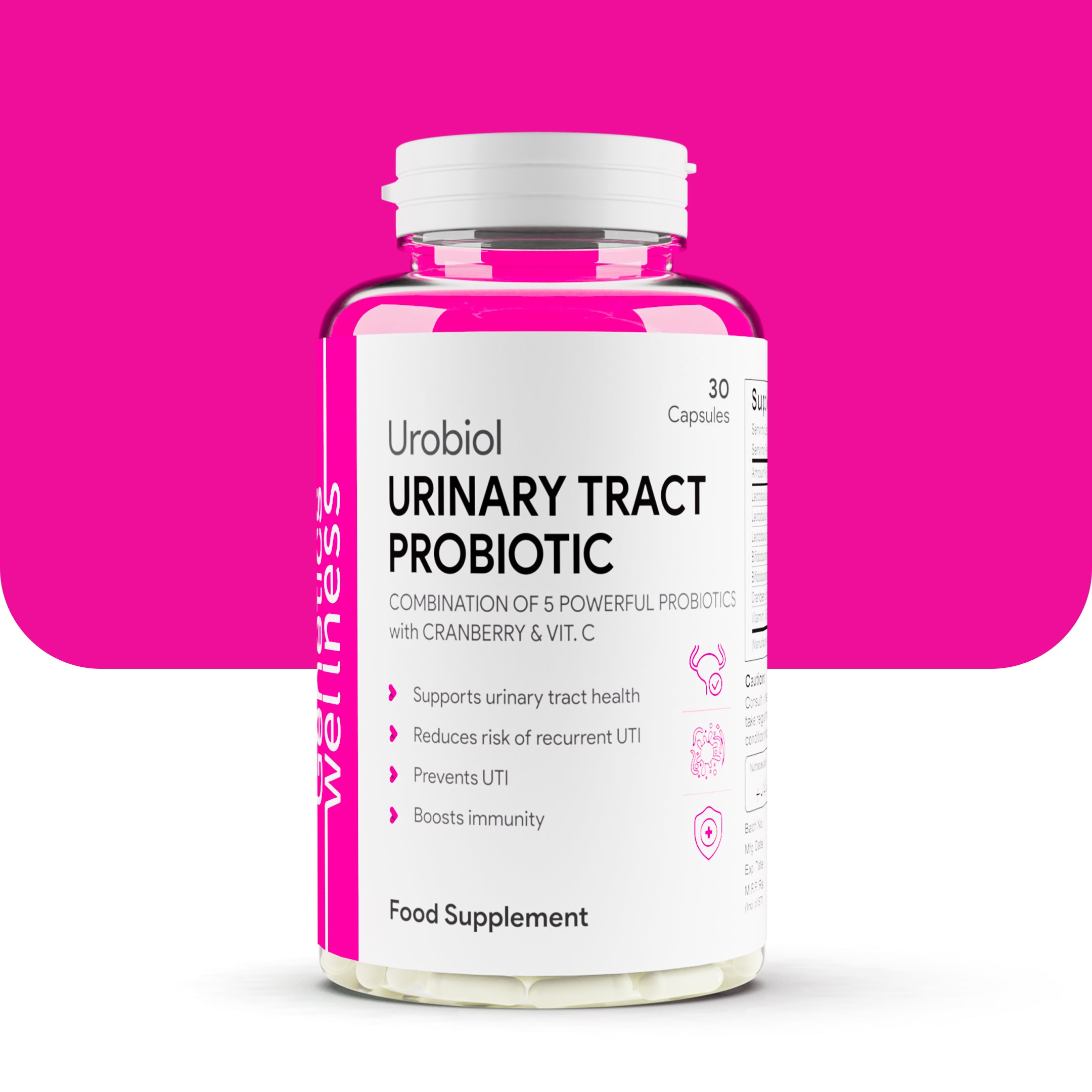
Urinary Tract Health (UTI). Specialized probiotic blend for balancing urogenital flora. |
Lactobacillus rhamnosus Lactobacillus reuteri |
|
|
Sachet (Powder) |
Diarrhea Management & Immune Support. Typically combines a probiotic with Oral Rehydration Salts (ORS) and Zinc (Z). |
Saccharomyces boulardii |
|
|
Capsule/Sachet |
General Diarrhea Relief. Often contains a single, potent strain known for quickly resolving acute diarrhea symptoms. |
Saccharomyces boulardii or Bacillus clausii |
|
|
Liquid/Capsule |
Antibiotic-Associated Diarrhea. Contains spore-forming bacteria known for high resistance to antibiotics and stomach acid. |
Bacillus clausii |
|
|
Capsule/Other |
Comprehensive Digestive Support. Typically a multi-strain formula for general digestive balance and maintenance. |
Multi-strain blend (e.g., L. acidophilus, B. lactis) |
Prebiotics
What Are They?
Prebiotics are non-digestible fiber compounds that serve as food for the beneficial bacteria in your gut. Using our analogy, Prebiotics are the "fertilizer" that helps the existing gut microbes, and any new probiotics, flourish and multiply.
How Do They Work?
They pass into the colon undigested, where they are fermented by your gut flora. This process stimulates bacterial growth and produces beneficial Short-Chain Fatty Acids (SCFAs). These SCFAs nourish the colon cells and are vital for reducing inflammation and maintaining the gut lining.
Best Sources
Prebiotics are naturally found in high-fiber foods such as garlic, onions, leeks, asparagus, slightly green bananas, and oats. Supplements typically contain Inulin or Fructooligosaccharides (FOS).
Who Might Benefit Most?
Since they are fiber, nearly everyone benefits. They are particularly effective when taken alongside probiotics to enhance their effectiveness and are essential for improving bowel regularity and supporting long-term gut ecosystem health.
Prebiotic supplementation
THE GENETIC WELLNESS PREBIOTIC GUIDE
|
Product Name |
Format |
Indication / Primary Function |
Fiber type |
|
Syrup |
Liquid fiber syrup for constipation - formulated for people with bowel transit disorders, constipation, indigestion & acidity. |
Fructo-oligosaccharides (FOS) and polydextrose |
Key Takeaway
The distinction between these two supplements is simple: Probiotics are the vital live bacteria you introduce, and Prebiotics are the fiber that feeds them. You don't have to choose one over the other; in fact, they work best together. For a robust gut, focus first on incorporating prebiotic-rich foods to maintain a thriving ecosystem. Then, use targeted probiotic supplements when specific issues, like antibiotic use or persistent digestive woes, require a powerful bacterial boost. By fueling your gut intelligently, you lay the foundation for better digestion, stronger immunity, and enhanced overall health.
References
https://my.clevelandclinic.org/health/treatments/14598-probiotics
https://my.clevelandclinic.org/health/body/25201-gut-microbiome
http://healthline.com/nutrition/prebiotics-benefits#basics